When you buy IT support, the SLA is the part that actually defines what you are getting. It turns vague promises ("we’ll be there when you need us") into measurable commitments. Yet the single most common misunderstanding in IT support contracts is confusing response time with resolution time. Get that wrong and you will be disappointed by support that is technically meeting its targets.
What an SLA is
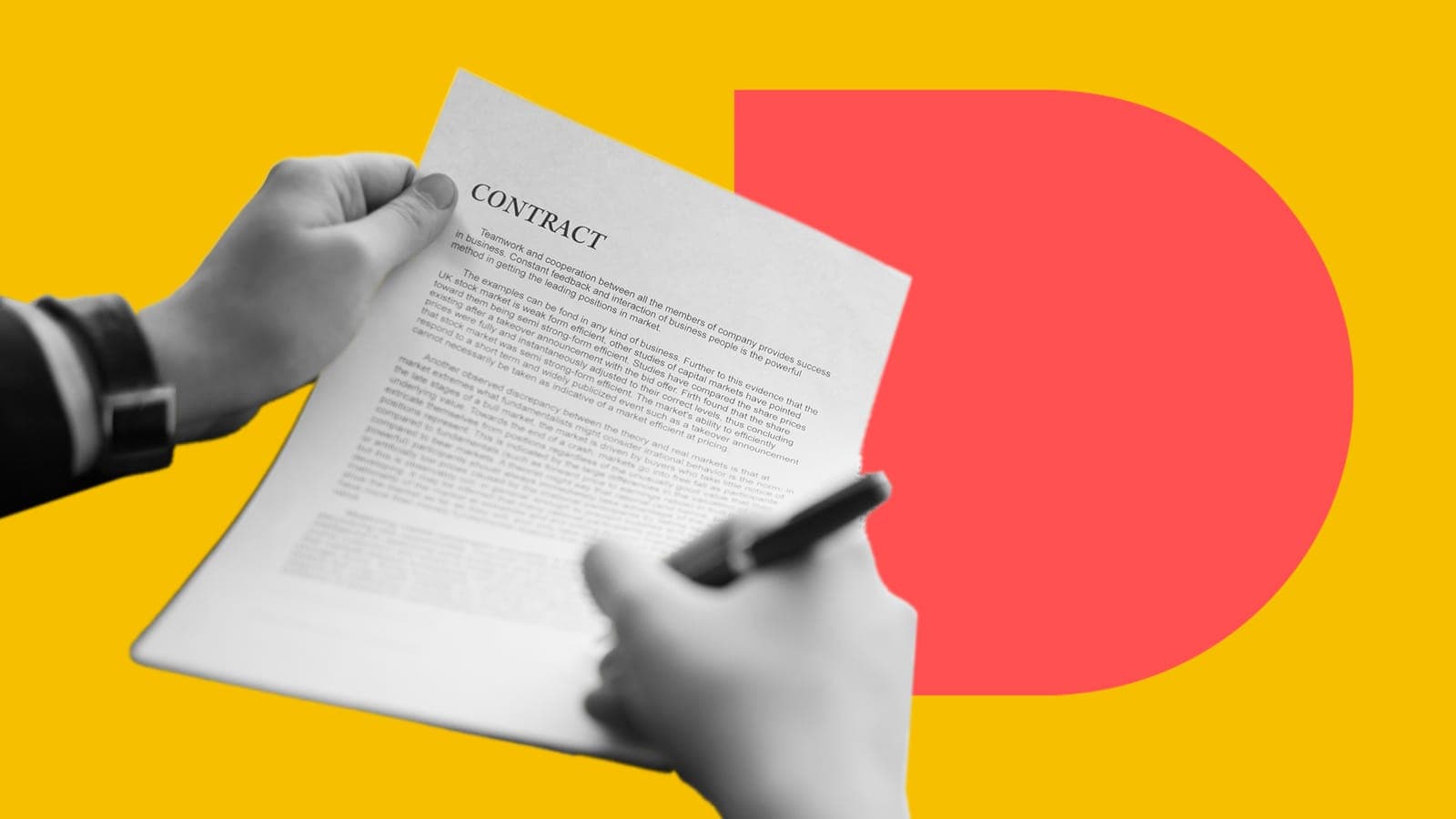
A Service Level Agreement (SLA) is a documented commitment to specific, measurable service standards — typically how fast your provider will respond to and resolve issues, the hours support is available, and the uptime you can expect. It is the contractual backbone of SLA-driven IT support.
Response time vs resolution time
Response time is how long until someone acknowledges your ticket and starts working on it. Resolution time is how long until the problem is actually fixed. These are very different promises. A two-hour response time does not mean your issue is fixed in two hours — it means someone has picked it up within two hours.

Priority levels explained
Not every issue is equal, so SLAs use priority tiers. A typical structure looks like this:
- Critical — business is down (e.g. a server outage or a security breach). Fastest response and resolution targets.
- High — a major function is degraded but the business is still running.
- Medium — a single user or a non-urgent issue affecting one person.
- Low — requests, questions, and scheduled changes.
What a good SLA includes
- Separate response and resolution targets for each priority level.
- Clearly defined coverage hours and what counts as "after hours".
- An uptime or availability commitment for managed systems.
- An escalation path when targets are at risk.
- What is explicitly out of scope, so there are no surprises.
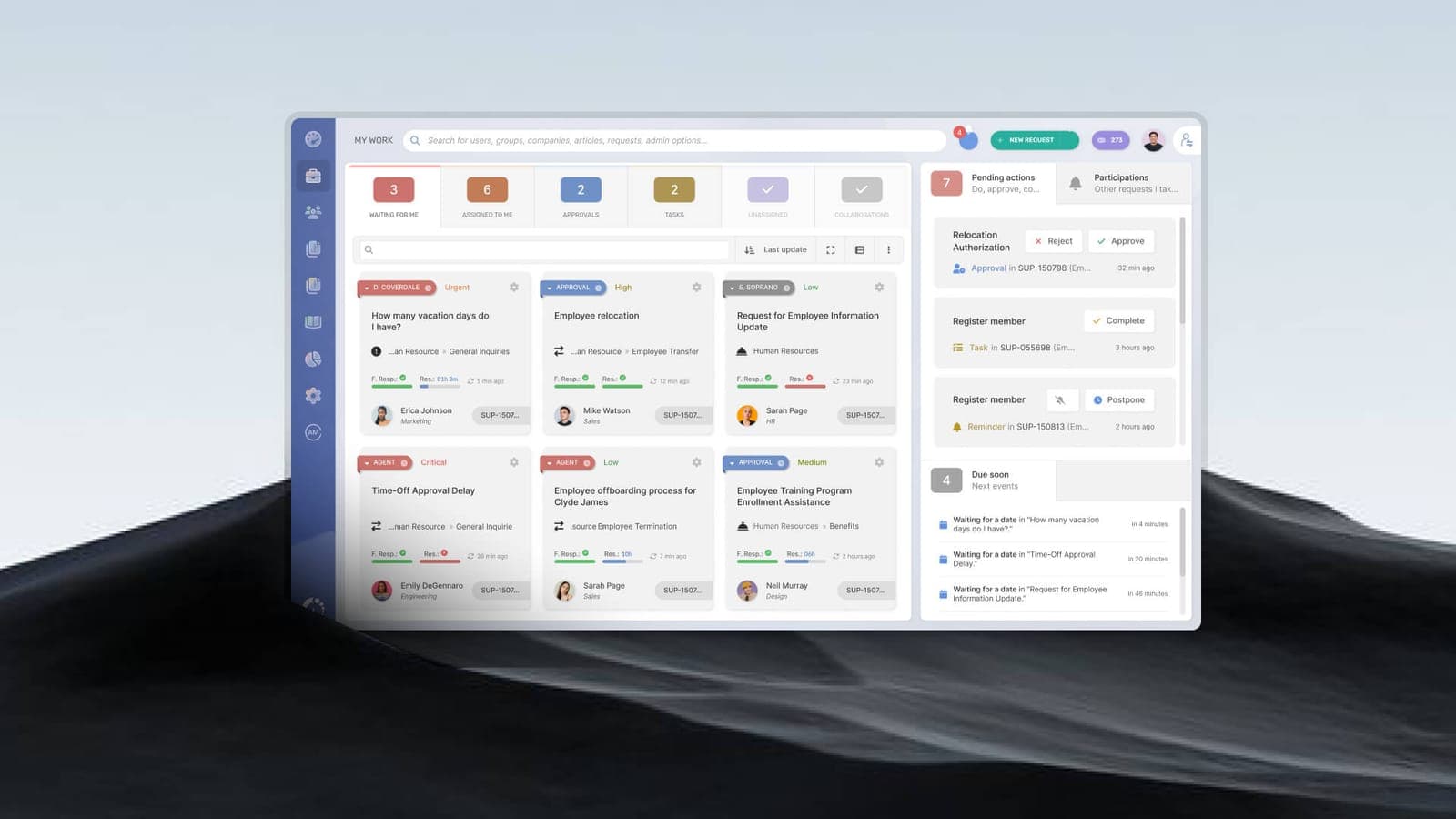
SLAs only work if support is organised to deliver them — which is where ticketing systems and proactive monitoring come in. Want to see how Satmz structures support around SLAs? Explore our Support lane.
Topics
- what is SLA in IT support
- IT support response vs resolution time
- SLA driven IT support
- IT support response time SLA
- IT support resolution time SLA